

Paper
Yezid Sayigh
{
  "authors": [
    "Yezid Sayigh"
  ],
  "type": "commentary",
  "blog": "Diwan",
  "centerAffiliationAll": "",
  "centers": [
    "Carnegie Endowment for International Peace",
    "Malcolm H. Kerr Carnegie Middle East Center"
  ],
  "collections": [
    "Reaction Shot"
  ],
  "englishNewsletterAll": "",
  "nonEnglishNewsletterAll": "",
  "primaryCenter": "Malcolm H. Kerr Carnegie Middle East Center",
  "programAffiliation": "",
  "regions": [
    "Egypt"
  ]
}
Source: Getty
Spot analysis from Carnegie scholars on events relating to the Middle East and North Africa.
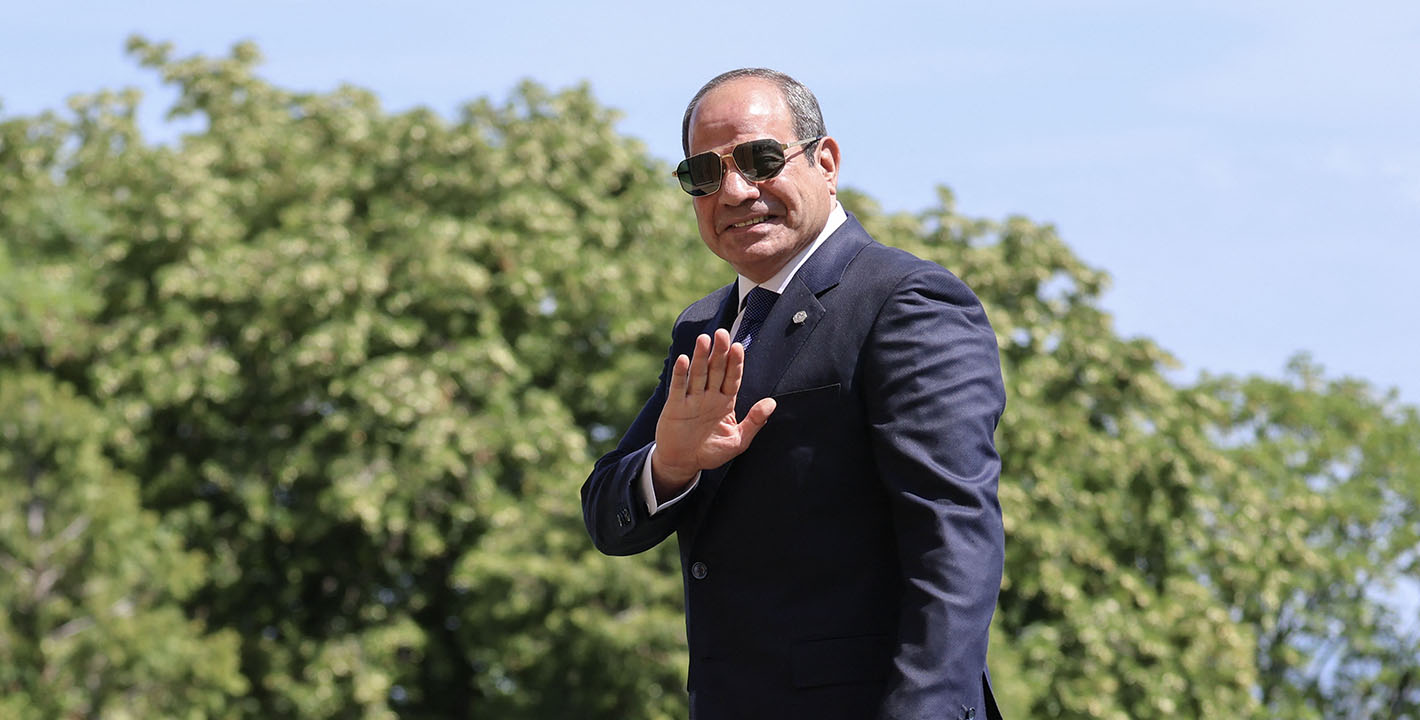
Egyptian President Abdel-Fattah al-Sisi has pledged to step down in 2030. Speaking at the military and police academies in mid-October, he announced that he does not intend to extend his time in office after the end of his current term in 2030, contrary to near-universal expectations. Sisi is currently two years into what the constitution dictates is his last term in office, following the amendment he introduced in 2019 allowing him both to extend the length of presidential terms and run for an additional, third term. But this time he stated specifically that he will not seek a new constitutional amendment in order to occupy the presidency for a fourth term, which would end in 2036. This would be a first in a country that has never seen its head of state step down voluntarily.
Sisi previously said he would not run for the presidency—but then did, in 2014—and also that he would not change the two-term maximum limit—but then did, in 2019, which is what enabled him to start a third term in 2024. So, his latest announcements may ultimately go the same way. Indeed, the most recent parliamentary elections, held in November 2025, seemed carefully engineered by the country’s security agencies to produce a body that would appear to have a will of its own, arguably in order to grant an air of legitimacy to a vote authorizing a new constitutional revision that would allow Sisi to go for an extra presidential term should he finally choose to do so. This potential remains in place.
More unexpected, however, was the proposal that Sisi made on October 17, for a novel process through which presidential candidates would be selected and prepared for the challenges of statecraft. Hundreds of applicants, principally mid-careerists in their forties with a Ph.D. or equivalent government service, are to be screened by a special committee and then undergo a 30-month training program at the Military Academy. The electoral field will not be formally limited to this candidate pool, but Egyptian voters are clearly expected to elect their future leaders from it. This approach represents a complete break with past practice in Egypt. Indeed, it may have no precedent worldwide—the closest model perhaps being the grooming of future leaders through the youth organizations, party ranks, and highly centralized, bureaucratic patronage networks of onetime communist systems.
The initial reactions of Egyptian officials and government agencies to Sisi’s announcements clearly show they were taken completely unawares, before scrambling to express customarily fulsome praise of the president. More importantly, even the so-called “sovereign agencies”—the military and the intelligence services, which are the key members of Sisi’s ruling coalition—were also caught off guard, as the highly credible investigative journalist platform Mada Masr found. They “were hearing the details of his roadmap for the first time,” insider sources told Mada Masr, prompting the military and the intelligence services “to hold emergency meetings that same evening to discuss the announcement.”
The fact that these key members of the regime appear to have been blindsided suggests strongly that Sisi is engaged in a political maneuver to outflank the very agencies that form the backbone of his regime but which, by the same token, effectively hold him hostage. No-one else in Egypt is important enough to prompt the president to depart so far from established script. After all, politics under his regime has been highly orchestrated since he first took office in 2014. An issue as important as the succession of so powerful an individual as Sisi would normally have been discussed internally, before the kind of public announcements that the president made.
Even if Sisi’s approach is intended to give perpetual military rule a technocratic veneer and a semblance of public choice, it would normally have evolved through consultation within the inner circle of the regime—above all with the Supreme Council of the Armed Forces—and then rolled out publicly by the intelligence services, which micro-manage national media and parliament. Instead, by going public with an entirely new mechanism formed by civilian government representatives to select presidential candidates, he has signaled an attempt to reduce the role of the Supreme Council of the Armed Forces in choosing the next president. If he succeeds, the council will certainly continue to exercise significant influence over the eventual choice, but Sisi will have diluted its veto power over the process.
This conclusion is reinforced by Sisi’s noticeable failure to appoint a vice president, although Article 150 bis of the amended constitution of 2019 awarded him such power. This would have been the most obvious path to take, one indeed that two of his military predecessors in office, Gamal Abdel-Nasser and Anwar Sadat, took—both of whom predictably appointed fellow generals. That Sisi refrained from following their example over the past seven years was hardly the result of absent-mindedness, and the fact that he made no reference to his reasons for not pursuing this obvious option when broaching the subject of succession in such a public manner was certainly not an oversight either.
Do Sisi on the one side, and the military and intelligence agencies on the other, mainly diverge over extending his presidency beyond 2030? Or is the main point of divergence between them over the manner of perpetuating military oversight of the Egyptian state and government affairs beyond his presidency? This is especially true if his proposal leads to, if not deliberately seeks, a different governing arrangement for Egypt that is based on a revised balance of power between the military and civilian leaders.
It is difficult to find answers in the black box that is Sisi’s regime. But there are clues. Sisi’s public reiteration on October 17 of Article 200 of the 2019 constitution, which was amended to empower the armed forces to “uphold the constitution and democracy” and “preserve the key tenets and the civilian nature of the State,” clearly reasserted the case for permanent military guardianship. But guardianship is not direct rule. Furthermore, Sisi’s reference to the need for laws—that presumably he will promulgate—to regulate implementation of Article 200 may reflect an effort to limit the unfettered autonomy it granted the military and thus regain his own ultimate authority over it.
Cleary, Sisi is avoiding a straightforward handover of office to another general approved by the Supreme Council of the Armed Forces. But does his surprise initiative herald an opportunity to negotiate a gradual transition toward participatory, competitive politics in Egypt, as commentators such as human rights lawyer Moataz al-Fegeiry hope? After all, the training program in statecraft that Sisi proposes may be calculated to make continued military guardianship more legitimate domestically and acceptable in the West, without creating a meaningful political opening in a country deemed in the latest World Justice Project report to rank at the bottom of 143 countries worldwide in civic participation and “freedoms of opinion and expression, assembly and association.”
Analyst Ahmed Aboudouh makes a compelling argument, however, that Sisi “may have calculated that Egypt urgently needs a new social contract to avoid economic-driven social unrest that could push him out or plunge the country into perpetual chaos.” It is also possible that he has finally come face to face with the consequences of his extraordinary promotion of the military’s role as the spearhead of a new version of state capitalism in Egypt—not only in production and extraction, but also in strategic direction—since he first took office in 2014.
The military’s acquisition of a massive vested interest in the country’s public finances and economy in the years since then has more than likely grown in tandem with its self-perception as an autonomous political actor with views of its own on the country’s needs, especially including the presidential succession. The recent transfer of the gigantic Future of Egypt Authority for Sustainable Development from military ownership to the president’s control and its takeover of a widening tranche of state assets previously managed by other military agencies adds plausibility to the interpretation that he is attempting to rebalance his relations with the armed forces.
Sisi could yet perform a volte-face closer to 2030 and seek to extend his rule after all. This may be because his latest initiative is no more than political theater serving to downplay his responsibility for Egypt’s ongoing financial and economic crisis until conditions permit him to launch a proper bid for an additional term closer to 2030. Or it may be because he faces more resistance within his regime toward the broader scope of his proposals than he can overcome. Either way, he faces a dilemma of his own making: His regime has eliminated or marginalized the very interlocutors in society that he needs if he is to engineer a transition in Egypt’s governing arrangements. Merely revising how the next president is chosen does not go far enough, but may nonetheless set in motion dynamics that will force his hand and compel him to seek new allies.
Senior Fellow, Malcolm H. Kerr Carnegie Middle East Center
Yezid Sayigh is a senior fellow at the Malcolm H. Kerr Carnegie Middle East Center in Beirut, where he leads the program on Civil-Military Relations in Arab States (CMRAS). His work focuses on the comparative political and economic roles of Arab armed forces, the impact of war on states and societies, the politics of postconflict reconstruction and security sector transformation in Arab transitions, and authoritarian resurgence.
Recent Work
Yezid Sayigh
Yezid Sayigh
Carnegie does not take institutional positions on public policy issues; the views represented herein are those of the author(s) and do not necessarily reflect the views of Carnegie, its staff, or its trustees.
This will be the region’s most representative tournament, amid broad changes in its footballing landscape.
Issam Kayssi
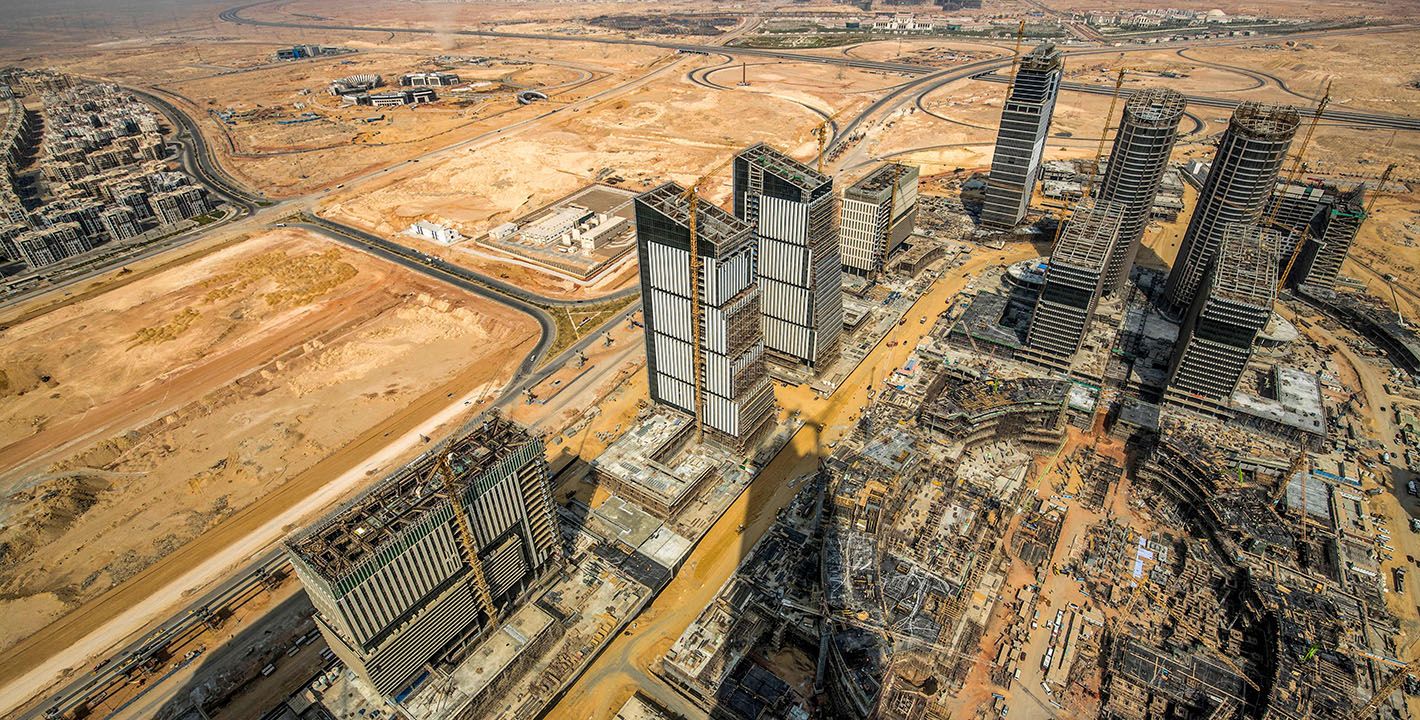
Mustaqbal Misr has expanded its portfolio with remarkable speed, but a lack of transparency remains.
Yezid Sayigh

Spot analysis from Carnegie scholars on events relating to the Middle East and North Africa.
Mohanad Hage Ali
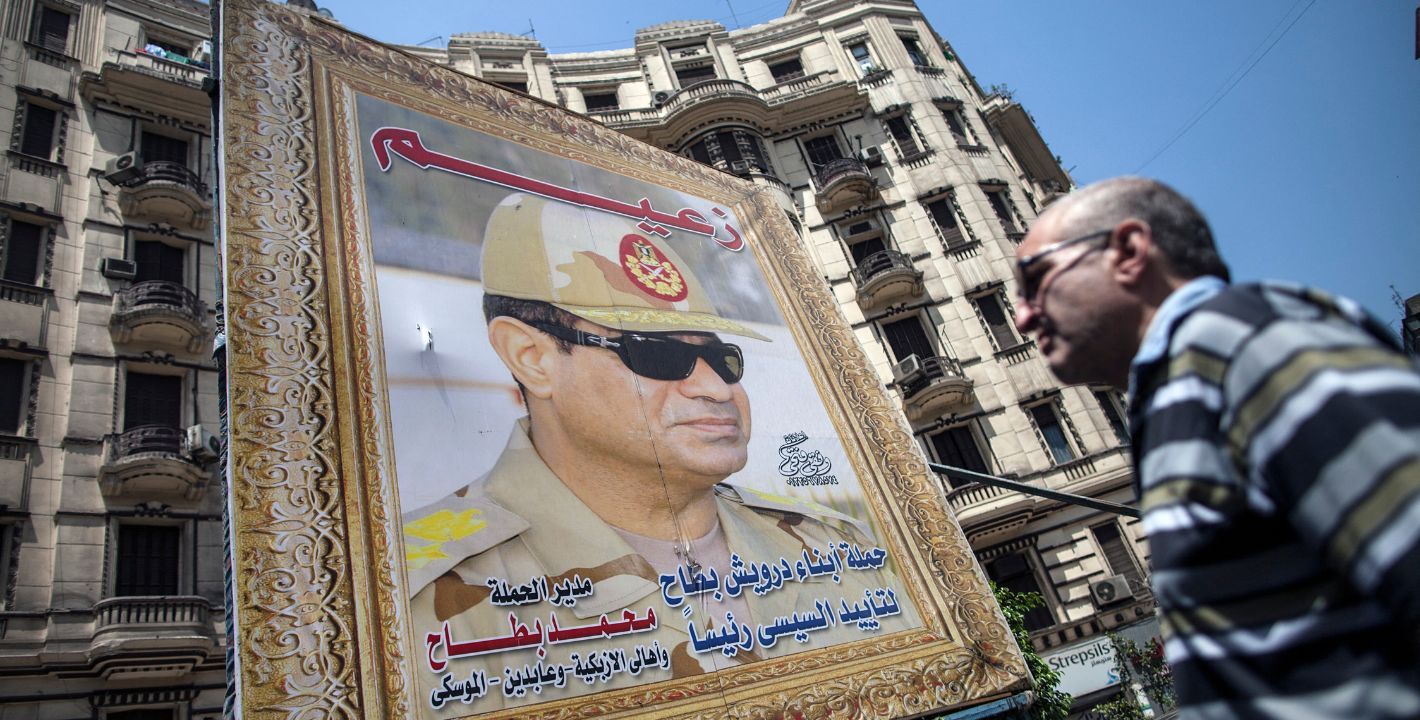
The president has blocked the emergence of new power centers within the Egyptian regime.
Yezid Sayigh
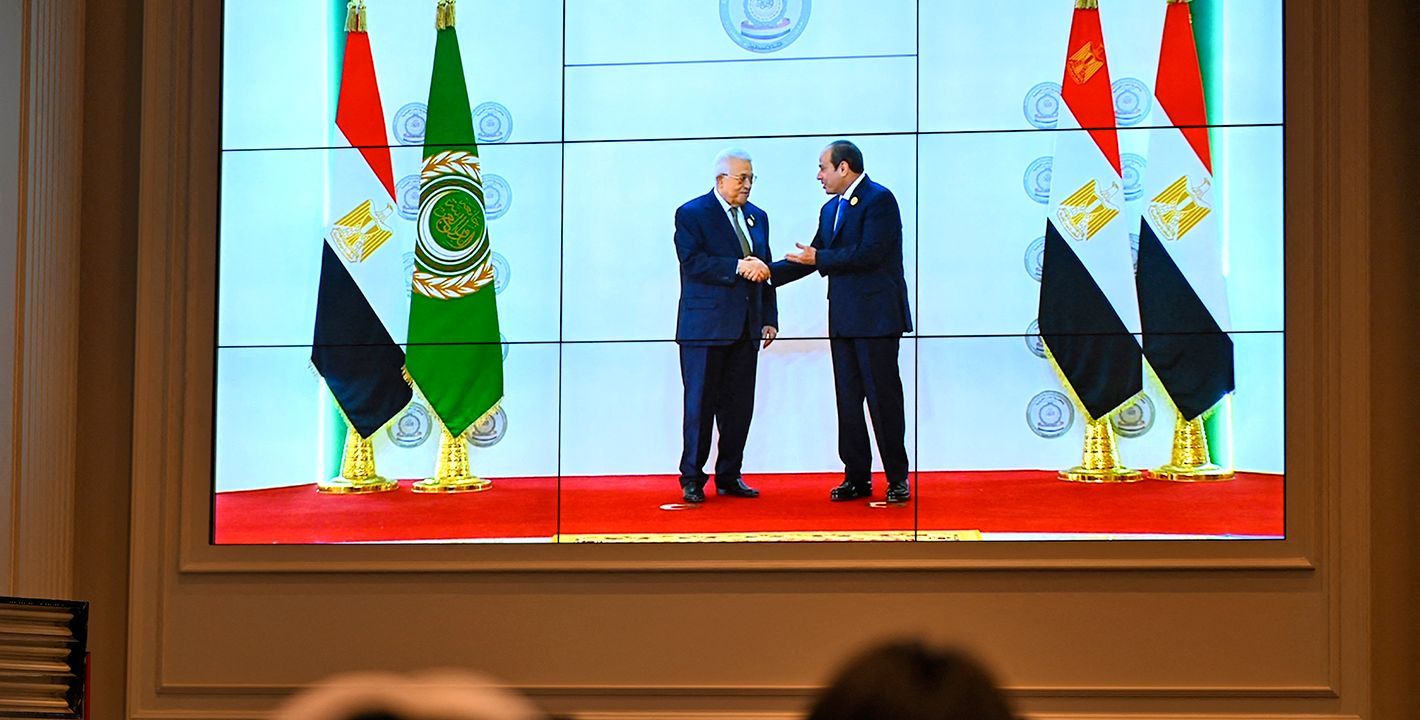
In an interview, Marwan Muasher discusses the Arab proposal to rebuild Gaza, and its repercussions.
Ghida Tayara, Jasmine Khelil